 Fund your Account
 Contact Support
 For Institutions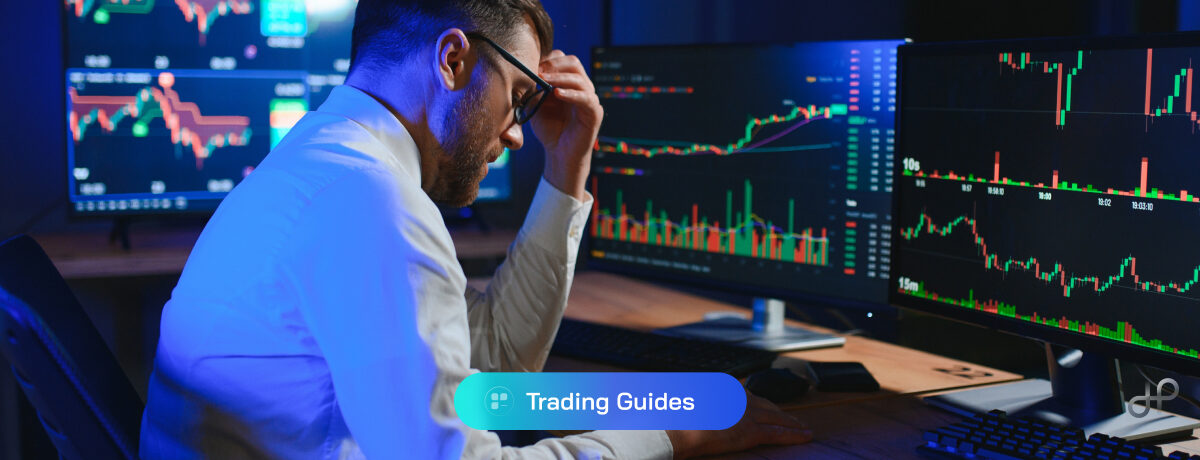
Most traders blow their first account within 90 days. Overtrading is usually why. You’ve probably felt it yourself that compulsive need to stay active in the markets, turning what should be a systematic approach into emotional gambling.
The warning signs are clear. Once you recognize them, you can break the cycle before it destroys your capital entirely. Overtrading isn’t just about frequency, it’s about abandoning the discipline that separates professionals from the wreckage of retail accounts littering forex forums.
Table of Contents
- What s Overtrading in Forex?
- The Psychology Behind Excessive Trading
- Common Triggers That Lead to Overtrading
- How Overtrading Destroys Your Trading Performance
- Proven Strategies to Avoid Overtrading
- Building a Sustainable Trading Routine
- Key Takeaways
- Commonly Asked Queries
What is Overtrading in Forex?
Overtrading happens when you execute too many trades relative to your strategy, risk tolerance, or available capital. It’s more nuanced than just trade frequency, though. You can overtrade by taking positions that are too large, trading outside your expertise, or abandoning predetermined rules to chase quick profits.
The damage compounds fast.
The Two Types of Overtrading
1. Volume overtrading means placing excessive numbers of trades within short timeframes. Instead of waiting for high-probability setups that match your criteria, you jump into mediocre opportunities just to stay active. Boredom becomes expensive.
2. Size overtrading involves risking too much capital per trade. Usually driven by the desperate need to recover losses quickly or maximize gains from what feels like a “sure thing” setup. Both forms stem from emotional decision-making rather than strategic planning. And both lead to the same place: accelerated capital depletion and psychological stress that makes everything worse.
Both forms stem from emotional decision-making rather than strategic planning. And both lead to the same place: accelerated capital depletion and psychological stress that makes everything worse.
Warning Signs You’re Overtrading
You might be overtrading if you constantly monitor charts, feel anxious without open positions, or make trades based on boredom rather than analysis. Other red flags include revenge trading after losses, abandoning your plan mid-session, or feeling like you need market exposure at all times.
The most dangerous part? How gradually it develops. What starts as taking one extra trade “just this once” evolves into a pattern of impulsive decisions that becomes harder to control.
That’s where the real psychological damage begins.
The Psychology Behind Excessive Trading
Your brain treats forex trading like gambling, whether you realize it or not. Each trade triggers dopamine releases that create addictive patterns, overriding the rational decision-making that profitable trading requires.
The Dopamine Trading Cycle
When you place a trade, your brain releases dopamine in anticipation of potential profits. This happens regardless of whether the trade wins or loses. The intermittent reinforcement schedule of winning and losing trades strengthens the addiction pattern, making you crave more trading activity.
Professional traders get this. They build safeguards into their routines – limited screen time, predetermined trade plans, focus on process rather than immediate results.
Fear of Missing Out (FOMO) in Action
FOMO drives you to chase price movements you’ve already missed. You enter trades without proper analysis, abandon winning positions too early to lock in quick profits, or increase position sizes because everyone else seems to be making money.
Social media makes this worse by showcasing winning trades while hiding the losses. Seeing others’ apparent success creates pressure to increase trading frequency and position sizes to “keep up” with fictional trading superstars.
Which brings us to the real killer.
Loss Aversion and Revenge Trading
Loss aversion (feeling losses more intensely than equivalent gains) leads to revenge trading behavior. After a losing trade, you feel compelled to immediately recoup those losses, often with larger position sizes or riskier setups.
This emotional response ignores statistical reality. Losses are normal parts of trading. Even profitable strategies lose 40-60% of their trades.
Accepting this fact intellectually versus emotionally? That’s the difference between sustainable trading and account destruction.
Common Triggers That Lead to Overtrading
Understanding what triggers overtrading episodes helps you recognize and interrupt these patterns before they damage your account. Most triggers fall into emotional, environmental, or situational categories.
Market Volatility and News Events
High-impact news releases and volatile market conditions create apparent opportunities everywhere. Currency pairs start moving rapidly. The fear of missing profitable moves drives excessive trading activity.
Reality check: volatile markets often produce choppy, unpredictable price action that favours patient traders who wait for clear setups. Rushing into trades during high volatility frequently results in getting stopped out by random price spikes before the real directional move begins.
Recent Winning or Losing Streaks
Both winning and losing streaks trigger overtrading behavior. After several consecutive wins, overconfidence leads to taking lower-quality trades or increasing position sizes beyond your risk management rules.
Losing streaks trigger the opposite response but with similar results. The desperate need to recover losses causes traders to abandon their strategy and start gambling on any setup that might provide quick profits.
Not ideal.
Boredom and Low Market Activity
When markets move sideways or your strategy doesn’t generate signals for extended periods, boredom drives overtrading. The need to feel active and productive leads to forcing trades in low-probability situations.
Professional traders view quiet periods differently. They see opportunities to review performance, refine strategy, or step away from charts completely. They understand that not trading is often the most profitable decision you can make.
External Pressure and Financial Stress
Financial pressure to generate trading income creates desperation that overrides disciplined decision-making. Monthly bills, family obligations, proving your trading ability to others, external pressure corrupts the patient, systematic approach that profitable trading requires.
This pressure intensifies the need for immediate results. Which leads to oversized positions and impulsive trade entries that increase the likelihood of significant losses.
How Overtrading Destroys Your Trading Performance
The mathematical reality of overtrading is brutal. Each additional trade increases transaction costs, reduces your edge per trade, and compounds the impact of inevitable losses.
The Transaction Cost Death Spiral
Every forex trade involves spread costs (the difference between bid and ask prices) that you pay regardless of whether the trade profits. Major pairs like EUR/USD typically have spreads of 0.5-1.5 pips, while exotic pairs can cost 3-10 pips per round trip.
Overtrading multiplies these costs exponentially. Doubling your trade frequency doubles your transaction costs, but it doesn’t double your profitable opportunities. Most additional trades come from lower-quality setups with reduced profit potential.
Key Point: Your trading strategy must generate enough edge to overcome transaction costs plus your living expenses. Overtrading increases costs while decreasing average trade quality.
Emotional Decision Making Compounds Losses
Overtrading creates a feedback loop. Emotional stress leads to poorer decision-making, which generates more losses, creating additional stress. This cycle accelerates as account balances shrink and desperation increases.
When you’re overtrading, you start cutting winners short to lock in small profits while holding onto losers hoping they’ll recover. This reverses the fundamental equation of profitable trading: letting winners run while cutting losses quickly.
Strategy Degradation and Inconsistency
Successful forex trading requires following a consistent approach over hundreds of trades to realize your statistical edge. Overtrading forces you to take trades outside your strategy’s parameters, diluting your edge with random market noise.
Instead of focusing on high-probability EUR/USD trend continuation setups, you start trading exotic pairs you don’t understand. You scalp during news releases. You enter positions based on incomplete analysis.
Each deviation from your proven approach reduces your overall profitability.
Proven Strategies to Avoid Overtrading
Breaking overtrading patterns requires specific, actionable strategies that address both the psychological and practical aspects of excessive trading. These work best when implemented together as part of a comprehensive trading plan.
Set Clear Daily and Weekly Trade Limits
Establish maximum numbers of trades per day (3-5) and per week (15-20) based on your strategy’s typical signal frequency. When you reach these limits, close your trading platform and step away from the charts.
Track your trade frequency in a simple spreadsheet or trading journal. Record not just the number of trades, but also your emotional state when entering each position. This data helps identify patterns that lead to overtrading episodes.
Physical barriers work better than mental discipline alone. Set position size limits in your trading platform, use separate accounts for different strategies, or implement cooling-off periods between trades.
For traders seeking professional execution and advanced risk management tools, HonorPro offers institutional-grade trading infrastructure designed to support disciplined trading approaches with built-in safeguards against overtrading.
Implement Mandatory Break Periods
- Between trades: Wait at least 15-30 minutes between closing one position and opening another. This cooling-off period prevents impulsive revenge trading and forces you to reassess market conditions objectively.
- After losses: Following any trade that loses more than 2% of your account, take a minimum four-hour break from trading. Use this time for analysis rather than immediately seeking the next opportunity.
- Weekly breaks: Designate one full day per week as a no-trading day. Use this time for strategy review, education, or completely non-trading activities that help maintain perspective.
Focus on Trade Quality Over Quantity
Develop specific criteria that trades must meet before you’ll consider entering a position. This might include technical confluence (price at a key support/resistance level plus trend line plus moving average), minimum 1:2 reward-to-risk ratio with clear exit levels defined, trading only during specific sessions when your strategy performs best, and avoiding trading 30 minutes before and after high-impact news releases.
Write down these criteria and refer to them before every trade. If a setup doesn’t meet all requirements, wait for the next opportunity rather than convincing yourself to trade anyway.
Use Position Sizing to Control Risk
Calculate your position size before you even look at potential trades. If you risk 1% per trade on a $10,000 account, you’re risking $100 regardless of which currency pair or setup you choose.
This predetermined risk amount removes the temptation to increase position sizes during emotional trading periods. You can’t revenge trade with larger positions if your risk per trade remains constant.
Consider reducing position sizes during extended losing periods or when you notice overtrading tendencies developing. Smaller positions reduce the emotional impact of losses and make it easier to follow your strategy objectively.
Building a Sustainable Trading Routine
Long-term trading success requires building habits and routines that support disciplined decision-making while managing the psychological pressures of forex trading.
Create a Pre-Market Routine
Start each trading session with a consistent routine that puts you in the right mindset. Review economic news, check your trading plan, and assess overall market conditions before looking at specific trade setups.
Document your trading goals for the session. Maximum number of trades, target profit/loss levels, specific pairs you’ll focus on. Having a written plan makes it easier to recognize when you’re deviating from your intended approach.
Establish Post-Trade Review Processes
After closing each trade, immediately record your reasoning for entering, your emotional state during the trade, and what you learned from the outcome. This creates accountability and helps identify patterns in your decision-making.
Weekly reviews should examine your overall performance, trade frequency, adherence to your plan, and emotional patterns. Look for correlations between overtrading episodes and external factors like stress, market conditions, or life events.
Develop Alternative Activities
Have non-trading activities ready for when markets are quiet or you’ve reached your daily trade limits. Strategy backtesting, educational reading, or completely unrelated hobbies that provide mental breaks from trading work well.
The goal is preventing boredom-driven overtrading by having productive alternatives that don’t involve placing trades. Many successful traders spend more time analyzing and planning than actually executing trades.
That’s not an accident.
The Bottom Line
Overtrading in forex represents one of the most common yet preventable causes of trading failure. The combination of psychological triggers, transaction costs, and emotional decision-making creates a destructive cycle that accelerates capital loss.
Breaking free requires acknowledging that trading less often leads to better results:
- Set concrete limits: Maximum daily/weekly trade counts prevent impulsive overtrading
- Focus on quality setups: Predetermined entry criteria eliminate low-probability trades
- Implement mandatory breaks: Cooling-off periods interrupt emotional trading cycles
- Track your patterns: Regular review identifies triggers before they become problems
The most profitable traders understand that patience and selectivity matter more than constant market activity. Your edge comes from waiting for the right opportunities, not from staying busy with marginal trades.
Commonly Asked Queries
Q1. What is the main cause of overtrading in forex?
A. Psychological factors like FOMO, boredom, and the need to recover losses drive most overtrading behaviour. The dopamine release from placing trades creates addictive patterns that override rational decision-making, leading to excessive trading activity that destroys account balances.
Q2. How many trades per day is considered overtrading?
A. There’s no universal number, but most profitable retail strategies generate 1-5 high-quality signals daily. If you’re making more than 10 trades per day consistently, you’re likely overtrading and taking lower-probability setups that reduce your overall edge.
Q3. Can overtrading ever be profitable in forex?
A. Overtrading is inherently unprofitable because it increases transaction costs while decreasing average trade quality. Even if some overtrading periods show profits, the pattern always leads to net losses over time as emotional decision-making replaces systematic strategy execution.
Q4. What’s the difference between active trading and overtrading?
A. Active trading follows a predetermined strategy with consistent criteria for entries and exits. Overtrading abandons systematic approaches for emotional, impulsive decisions driven by boredom, revenge, or FOMO rather than genuine market opportunities.